Is 6 hours of sleep enough? Is sleeping on the floor good for you? Here are honest, research-backed answers to five of the most searched sleep questions.
Some of the most searched health questions on the internet are about sleep. And the honest answers are usually more nuanced than the quick summaries suggest.
Here are five common sleep questions, answered with what the research actually shows.
Is 6 hours of sleep enough?
For most adults, no.
The American Academy of Sleep Medicine and the Sleep Research Society jointly recommend at least 7 hours of sleep per night for adults aged 18 to 60.¹ A 2025 meta-analysis linked sleeping less than 7 hours to a 14 percent increase in all-cause mortality risk.²
Fewer than 5 percent of people have genetics that allow them to function well on 6 hours or less. For everyone else, "feeling fine" on 6 hours usually means the body has adapted to a suboptimal baseline, not that it is thriving.
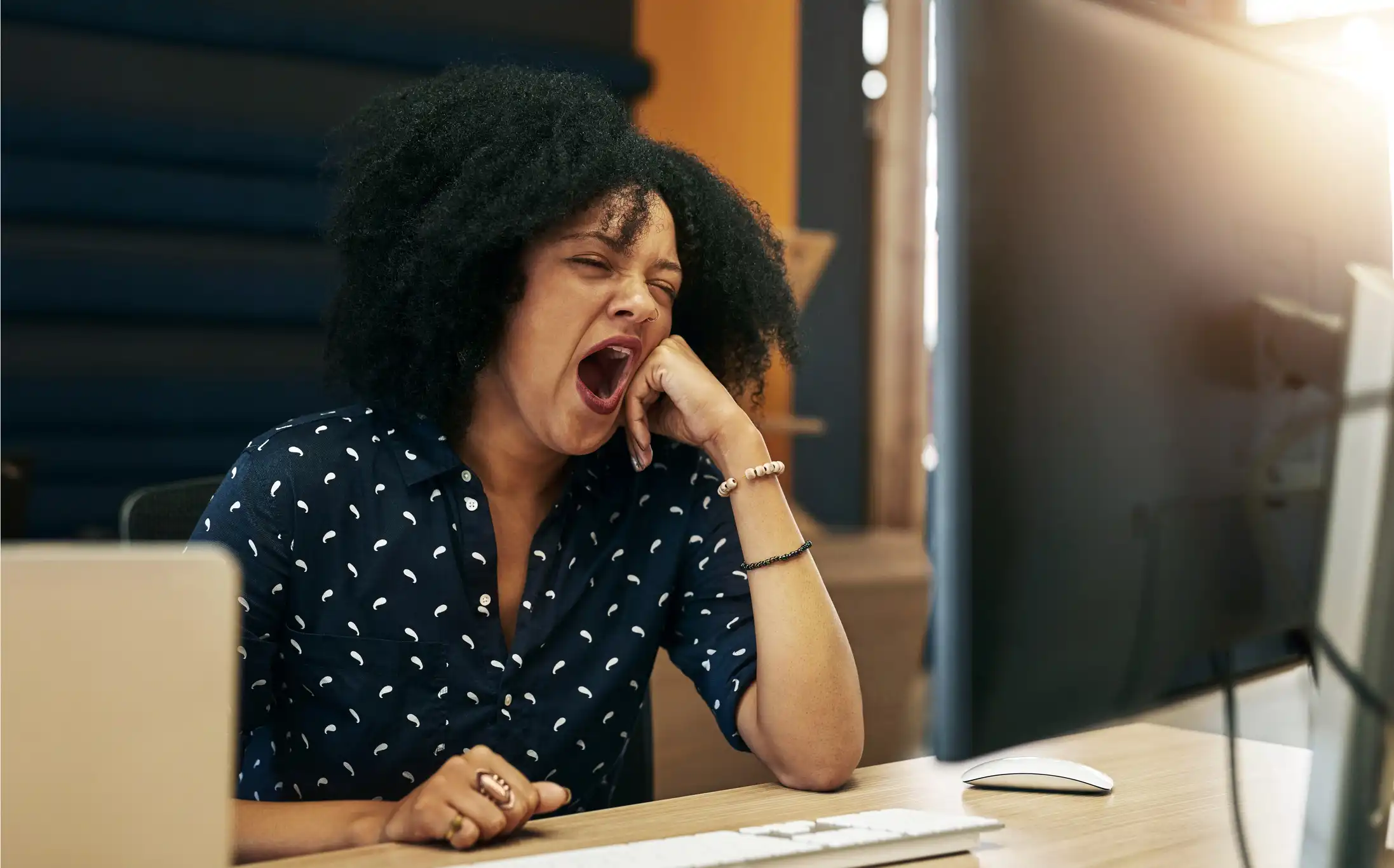
If chronic tiredness persists even with proper rest, that fatigue can be a sign of something more than a sleep debt problem.
It depends on your body, and probably less than you think.
A landmark trial in The Lancet compared firm to medium-firm mattresses in 313 adults with chronic back pain over 90 days. The medium-firm group had significantly better outcomes across pain, disability, and sleep quality.³ The floor is firmer than "firm," which pushes past the range research suggests is optimal for most bodies.
Some people with mild back pain do report relief from floor sleeping. Others develop new pressure-point pain, especially side sleepers.
Try it for a night or two if you are curious. If your body feels better, there is something to it for you personally. If worse, that is also useful information.
Sometimes. Drooling tends to happen during REM sleep when muscles relax, so it can indicate you reached deeper sleep stages.
But it is not a reliable marker on its own. Persistent drooling is often linked to mouth breathing, which is itself associated with sleep apnea and other airway issues.⁴
If drooling comes with loud snoring, waking up tired, or morning headaches, those signs together are worth mentioning to a healthcare professional. Other signs of undiagnosed sleep apnea show up in the face itself.
It depends on whether you have airway issues.
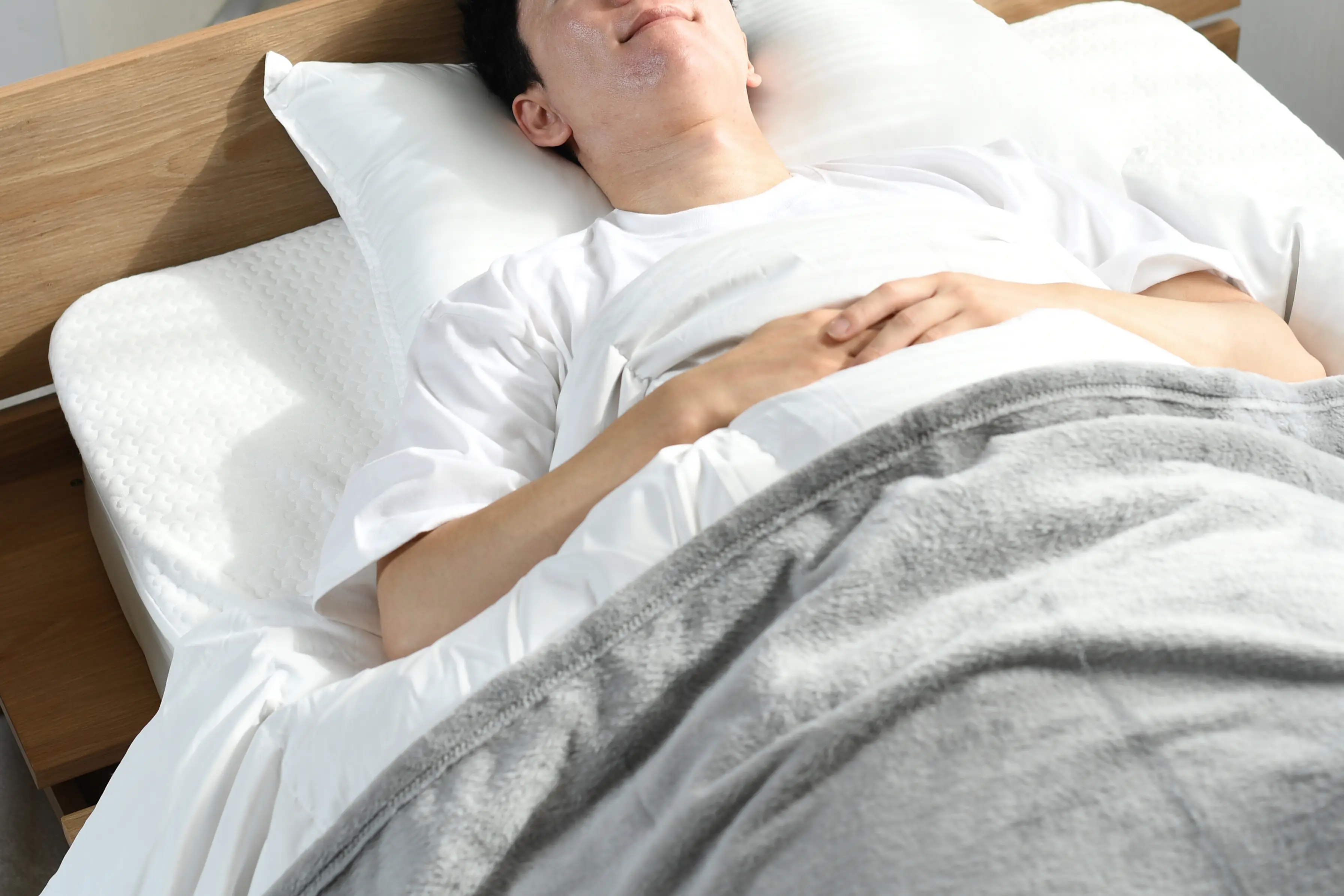
Back sleeping keeps the spine neutral, which is good for most people. But research shows that over half of people with sleep apnea experience worse symptoms in the supine position.⁵ Clinical studies find that most sleepers have at least twice as many airway blockages when back sleeping compared to side sleeping.
The mechanism is simple. On your back, gravity pulls the tongue and soft palate toward the back of the throat, narrowing the airway.
If you snore or have sleep apnea, side sleeping is gentler. If you do not, back sleeping is fine, and for many it is genuinely comfortable.
For most people, no.
Sleeping without a pillow strains the neck for back and side sleepers, and often leads to morning stiffness.⁶ Side sleepers have the most issues, because the head drops below the shoulders.
The one group that may benefit is stomach sleepers, where a thick pillow tilts the head unnaturally.
For everyone else, the right pillow height keeps the head and neck aligned with the spine. That means a taller pillow for side sleepers, a medium pillow for back sleepers, and a thin one (or none) for stomach sleepers.
Common sleep questions usually have more nuanced answers than the internet's quick verdicts. Sleep is personal.
What is universal is that sleep that leaves you tired despite hitting the recommended hours is worth investigating. A self-check of common sleep apnea symptoms can help you decide whether to explore further.
If you find yourself Googling sleep questions because something feels off, that instinct is worth trusting. The Soliish FaceX sleep wellness experience helps you learn about factors related to your sleep and think through what to discuss with a qualified healthcare professional.