
Soliish helps providers identify at-risk patients earlier with instant, AI-based screening embedded directly into clinical workflows—no extra devices or workload. With seamless integration into EHRs or intake systems, teams can screen in under 60 seconds, receive actionable risk insights, and guide patients to diagnostic testing or therapy with ease.
Soliish supports proactive population health management while improving care quality, outcomes, and financial performance.


Dental practices are well positioned to identify sleep apnea risk early. You see patients regularly. You evaluate craniofacial anatomy. You hear about fatigue, snoring, and dry mouth long before a diagnosis is made.
Soliish makes it simple to add structured sleep apnea screening to your existing workflow — without changing your scope of practice or adding extra administrative burden. By connecting screening to appropriate medical evaluation, Soliish supports early identification, clear referrals, and coordinated care with sleep physicians — while keeping clinical roles clearly defined.
Self-funded employers use Soliish to make sleep health accessible at scale — improving employee well-being, reducing medical spend, and increasing productivity.
Our digital pathway identifies at-risk individuals in minutes and guides them to care without adding administrative burden.

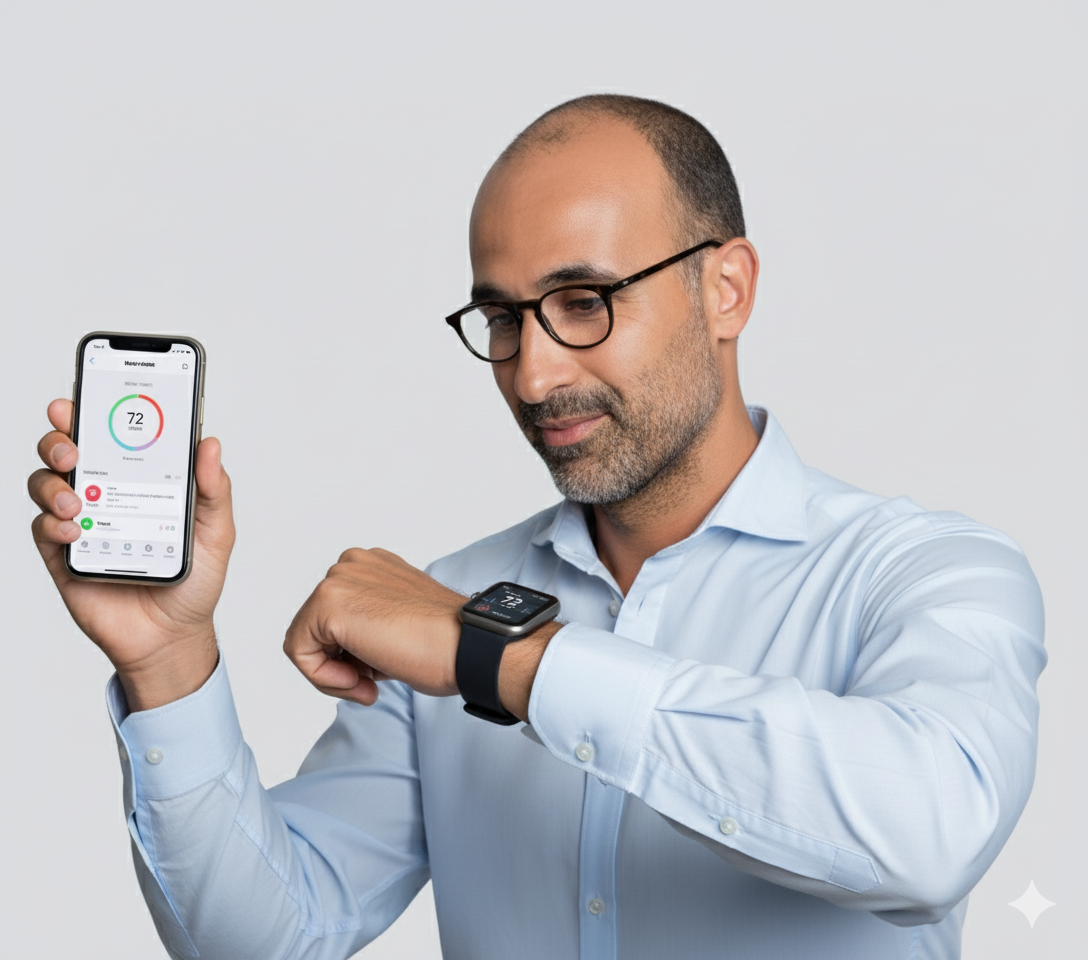
From weight management and mental health to cardiometabolic and wellness platforms, digital health innovators integrate Soliish to expand their offerings.
Our facial-scan AI and automated workflows make it simple to add sleep health screening and routing into any virtual care experience.
If you need technical help or guidance, we’re just an e-mail away.
Find answers to frequently asked questions about our technology and services.
Soliish is designed for embedded, pre-visit or intake-stage screening. Patients can complete the face scan on a tablet or personal device while waiting - generating a risk score before the provider enters the room. The result surfaces in the clinical dashboard as a structured data point, eliminating the need for providers to administer or interpret a questionnaire manually. For high-risk patients, a brief referral action can be triggered directly from the workflow.

STOP-BANG and the Epworth Sleepiness Scale are validated symptom-based tools, but they rely on patient self-report - introducing recall bias and missing asymptomatic cases. Soliish captures objective craniofacial biometrics independent of symptoms, meaning it can identify at-risk patients who would score low on traditional questionnaires. The two approaches are complementary; Soliish adds an objective anatomical layer that enhances existing screening protocols rather than replacing them.
Soliish's AI models are built on peer-reviewed clinical datasets and have been validated against established OSA diagnostic standards. Published research supports the use of craniofacial photograph analysis as a high-accuracy predictor of OSA risk. Independent clinical validation studies are available upon request through Soliish's medical affairs team. The platform is positioned as a screening tool - not a diagnostic device consistent with regulatory requirements.
Yes. Soliish is designed as an API-ready platform with the ability to connect to major EHR systems. The sleep medicine space has long struggled with fragmented data across 5–6 platforms (screening, testing, diagnosis, treatment, compliance monitoring) - Soliish's integration approach is designed to reduce that fragmentation by feeding structured risk data directly into existing clinical workflows. Contact Soliish's technical team for integration specifications for your specific EHR environment.
Yes, this is a core use case. Health systems can deploy Soliish as a proactive population health screening layer across patient panels, surfacing high-risk individuals before they present with downstream comorbidities like hypertension, atrial fibrillation, or poorly controlled diabetes. The platform's aggregate reporting supports value-based care metrics and quality improvement programs targeting chronic disease prevention.